Regional Hormuz talks postponed, Iran-Oman understanding finalized
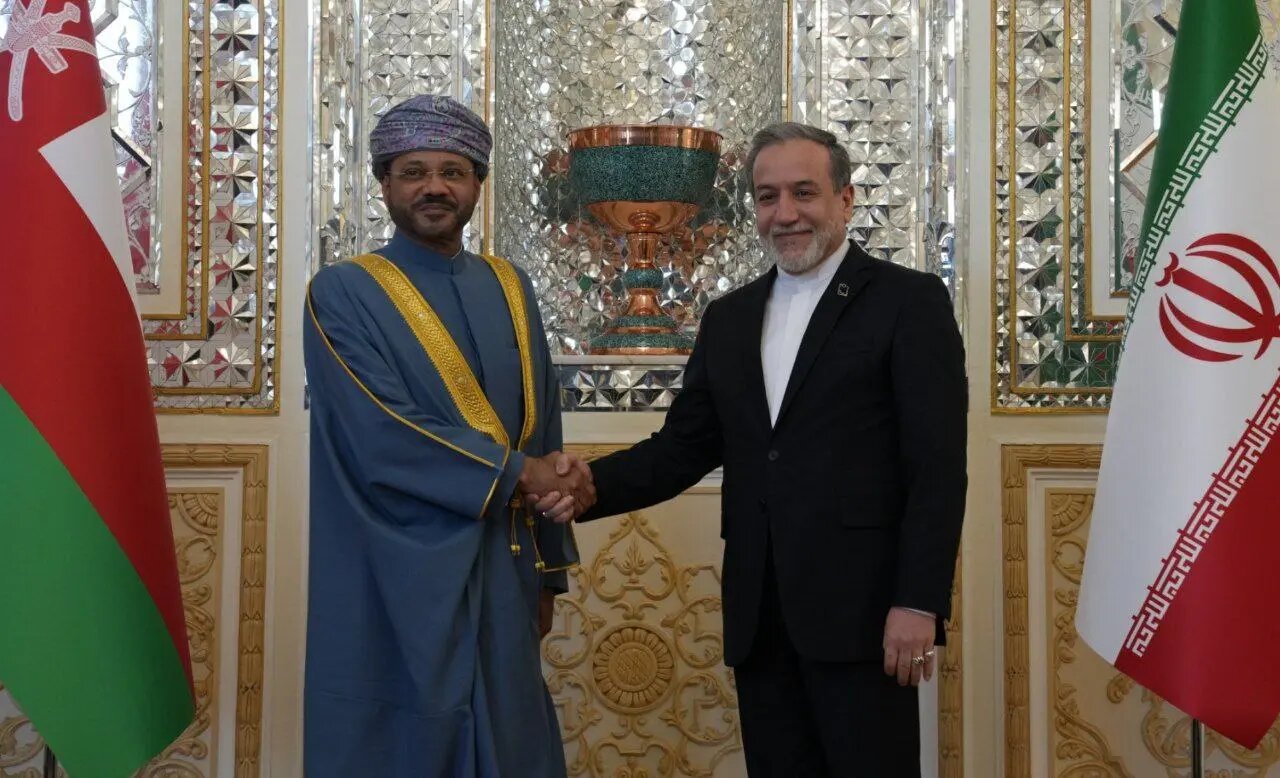
TEHRAN — A high-level ministerial summit between Iran and Arab states of the Persian Gulf scheduled to convene in Oman to negotiate arrangements for safe commercial navigation through the Strait of Hormuz has been postponed to a later date.
The postponement of the regional talks—which had been slated for Monday—came at the specific request of Saudi Arabia, even as Tehran and Muscat announced the formal finalization of their bilateral understanding over maritime routes governing the world’s most critical energy transit artery.
Iranian Foreign Ministry spokesman Esmaeil Baghaei told reporters at his weekly press conference on Monday that the gathering of foreign ministers was canceled following Riyadh’s intervention.
“The understanding between Iran and Oman, as two littoral states, has been finalized. In consultation with Oman, we will decide on the next step, including how to announce or register the understanding,” he added.
Baghaei noted that the Iran-Oman understanding regarding the security of maritime routes was the result of weeks of negotiations between the two countries.
The spokesperson made clear that Iran does not make decisions on “highly sensitive and complicated” security-related issues based on a single factor, stressing that Tehran should not call its own rational and forward-looking actions into question because of the ill-advised actions or broken commitments of others.
Baghaei described the planned assembly in Oman as an “opportunity” created by Tehran and Muscat, saying regional countries were expected to recognize and make use of it. He reiterated that Iran has consistently made efforts to help resolve regional issues and has demonstrated that commitment in practice.
“We well know that the continuation of war in the region among Muslim countries has only one winner, and that winner is no one other than the Zionist regime (Israel), which seeks to prolong tensions and insecurity among Muslim countries in our region,” the Iranian spokesperson pointed out.
Confirming the shift in schedule, Mohammad Alibek, Director General of the Persian Gulf Department at Iran’s Foreign Ministry, said on Sunday that the meeting of foreign ministers from Persian Gulf littoral states, originally scheduled for Monday in Oman, has been postponed to a later date following a joint decision by Iran and Oman, at the request of certain regional countries, stressing that Tehran remains fully committed to the process of constructive regional dialogue.
In Muscat, official state media similarly announced the delay. “It has been decided to postpone to a later date the regional meeting that was to be held on Monday in Salalah, in order to create conditions conducive to a constructive dialogue,” the Oman News Agency reported on Sunday.
Underlining Oman’s persistent diplomatic push, Omani Foreign Minister Badr Albusaidi said on X that “we remain determined to promote dialogue that contributes to stability and lasting cooperation in our region.”
The Strait of Hormuz constitutes an indispensable choke point for the international economy, with roughly one-fifth of global oil demand flowing across its narrow waters. Iran has maintained heightened restrictions on navigation since the start of the US-Israeli military aggression against the country on February 28, citing acute national security concerns and the imperative to safeguard its territorial sovereignty.
Prior to the postponement, Iranian Foreign Minister Abbas Araqchi had reaffirmed that any full normalization of transit through the corridor remains inextricably tied to broader geopolitical dynamics—specifically Washington’s compliance with its pledged obligations. Clarifying the scope of the diplomatic track, Araqchi stated firmly in an interview with Al Araby Al Jadeed that preliminary bilateral understandings forged with Oman do not equate to an unconditional opening of the choke point.
“It in no way means the reopening of the Strait of Hormuz,” Araqchi underlined, emphasizing that a resumption of normal commercial transit hinges entirely on Washington honoring the 14-point memorandum of understanding (MoU) signed on June 17 through Pakistani mediation.
Araqchi revealed that Tehran had prepared a comprehensive technical package for the littoral delegations, noting: “We will provide the details of the understanding reached with Muscat, as well as maritime maps delineating the proposed new shipping corridors, to the participating littoral delegations.”
Before the postponement, the Iranian Foreign Ministry emphasized that the Oman assembly was intended to “promote better understanding among the countries of the region and help strengthen shared regional security.”
The diplomatic deadlock across the waterway remains rooted in Washington’s chronic failure to adhere to bilateral and multilateral understandings. Under the Pakistani-mediated 14-point MoU, the United States had committed to concrete de-escalatory steps, including lifting the naval blockade imposed on Iranian ports, halting offensive operations, and clearing impediments to Iranian commercial navigation.
Instead of fulfilling its written pledges, Washington breached the agreement, maintaining its aggressive naval cordon and sustaining hostile actions against Iran’s civilian and industrial maritime infrastructure. In response, the Islamic Republic maintained its legitimate strategic curbs on the chokepoint until the hostile parties honor their commitments in full.
Under international maritime law, Iran and Oman exercise sovereign jurisdiction over their territorial waters and contiguous zones within the Strait of Hormuz. Despite the postponement requested by Riyadh and others, Tehran and Muscat have signaled that their finalized bilateral understanding lays the groundwork for an indigenous, cooperative maritime architecture—one that rejects destabilizing foreign military armadas and counters the illusion that relying on Washington’s security umbrella can bring genuine stability to the Persian Gulf.
Leave a Comment